
Introduction
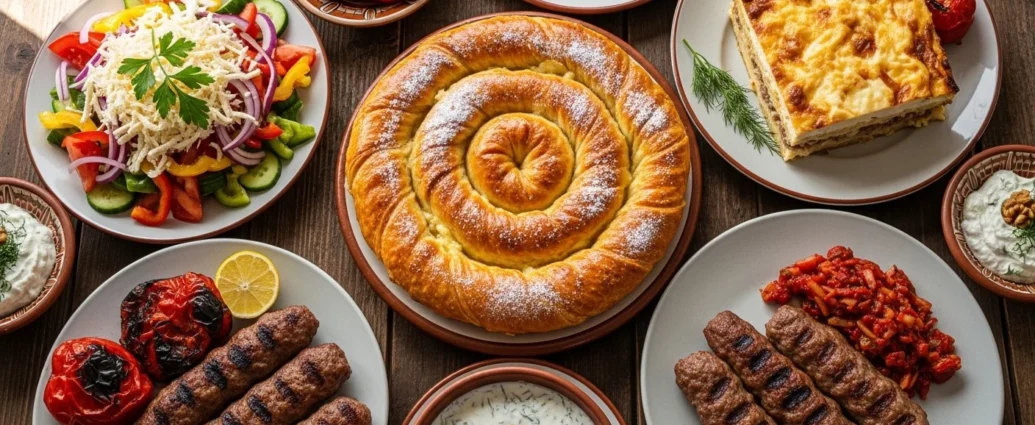
Bulgarian meals reflect a rich culinary heritage shaped by Balkan, Mediterranean, and Eastern European influences. From fresh salads to hearty stews and baked specialties, Bulgarian cuisine offers a perfect balance of flavor and nutrition. Many dishes rely on simple ingredients like yogurt, cheese, vegetables, and grilled meats, making them both comforting and easy to enjoy.
If you are curious about traditional Bulgarian food or planning to explore new cuisines, this guide will introduce you to some of the most popular Bulgarian dishes along with their cultural significance and everyday use.
What Makes Bulgarian Meals Unique?
Bulgarian cuisine stands out because of its focus on freshness, simplicity, and bold flavors. One of the most distinctive features is the use of кисело мляко, a type of yogurt known for its health benefits and unique taste.
Another defining aspect is the use of seasonal vegetables, herbs, and spices. Fresh ingredients like tomatoes, cucumbers, peppers, and parsley are commonly used in many traditional dishes in Bulgaria.
Cooking methods also play an important role. Many meals are grilled, baked, or slow-cooked, which enhances both flavor and texture. This combination of natural ingredients and traditional techniques makes Bulgarian cuisine both wholesome and satisfying.
Most Popular Traditional Bulgarian Meals
Banitsa
Banitsa is one of the most famous Bulgarian foods. It is a baked pastry filled with cheese and eggs, often enjoyed as a breakfast dish. Its crispy layers and rich filling make it a favorite across all age groups.

Shopska Salad
This refreshing salad combines tomatoes, cucumbers, onions, and grated cheese. It is one of the most popular Bulgarian dishes and is often served as a starter.
Tarator
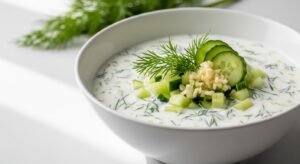
Tarator is a cold soup made with yogurt, cucumbers, garlic, and dill. It is especially popular during summer due to its light and cooling effect.
Kavarma
Kavarma is a slow-cooked meat stew prepared with vegetables and spices. It is typically served in clay pots, giving it a deep and rich flavor.
Musaka
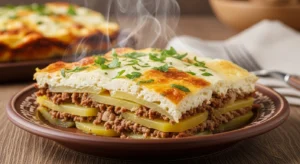
Bulgarian musaka is a comforting dish made with potatoes, minced meat, and a creamy topping. It is widely served as a main course.
Kebapche and Kyufte
These grilled meat dishes are similar to sausages and meatballs. They are commonly served with bread and fresh salads.
Bulgarian Meals by Category
Bulgarian Breakfast Meals
Breakfast in Bulgaria is often simple yet satisfying. Popular options include Banitsa and yogurt paired with honey or fruits. These meals are quick, nutritious, and widely available.
Bulgarian Lunch and Dinner Meals
Lunch and dinner typically include hearty dishes like Kavarma, Musaka, and Kapama. These meals are rich in flavor and often shared with family.
Bulgarian Street Food
Street food is an essential part of Bulgarian food culture. Items like Banitsa and grilled meats are commonly sold and enjoyed on the go.
Bulgarian Desserts
Bulgarian desserts include sweet pastries like Kozunak and pumpkin-filled Tikvenik. These treats are often prepared during holidays and special occasions.

Easy Bulgarian Meals for Beginners
If you are new to Bulgarian cuisine, there are several easy Bulgarian meals you can try at home. Dishes like Shopska salad and Tarator require minimal ingredients and are quick to prepare.
Simple recipes often focus on fresh vegetables, yogurt, and basic cooking techniques. This makes Bulgarian meals for beginners both accessible and enjoyable. Even traditional dishes can be adapted into quick Bulgarian meals with a little creativity.
What Do People Eat in Bulgaria Daily?
Daily eating habits in Bulgaria revolve around fresh and homemade food. Breakfast is usually light, while lunch and dinner are more filling.
A typical day may include yogurt or pastry in the morning, a cooked meal with vegetables and meat in the afternoon, and a lighter dinner. Bread and dairy products are staples in everyday meals. These eating patterns reflect a balance between nutrition and tradition, making Bulgarian cuisine both practical and healthy.
Bulgarian Food Culture and Traditions
Food plays an important role in Bulgarian culture. Many traditional meals are closely tied to holidays and family gatherings. For example, Banitsa is often prepared during New Year celebrations.
Meals are usually shared, and hospitality is highly valued. Guests are often welcomed with a variety of dishes, showcasing the diversity of Bulgarian cuisine. Seasonal ingredients also influence what people eat, ensuring that meals are always fresh and flavorful.
Tips for Trying Bulgarian Meals
If you want to explore authentic Bulgarian cuisine, start with well-known dishes like Shopska salad and Musaka. These are widely available and represent the essence of the cuisine. Try combining different dishes to experience a full meal. For example, pair a salad with grilled meat and finish with a traditional dessert.
If you prefer cooking at home, begin with easy recipes and gradually explore more complex dishes. This approach helps you appreciate the flavors and techniques used in Bulgarian cooking.
Conclusion
Bulgarian meals offer a unique blend of tradition, flavor, and simplicity. Whether you are exploring popular dishes, looking for easy meals, or learning about food culture, Bulgarian cuisine has something for everyone. By trying these traditional dishes, you can experience the rich heritage and authentic taste that make this cuisine truly special.