Montenegro is a small Balkan country with a surprisingly rich culinary identity. Travelers who explore its cities, villages, and coastal towns quickly discover that the cuisine reflects the country’s geography and history. Mountains, fertile valleys, and the Adriatic coast all influence the meals served across the country. Because of this diversity, Montenegro food combines Mediterranean freshness with hearty Balkan traditions.
Local cuisine emphasizes fresh ingredients, simple cooking techniques, and recipes passed down through generations. Many dishes rely on grilled meats, seafood, dairy products, and seasonal vegetables. At the same time, herbs and olive oil bring light Mediterranean flavors to coastal meals.
Visitors searching for what to eat in Montenegro often find that every region offers something unique. From savory pastries sold in bakeries to slow-cooked family meals served in traditional restaurants, the culinary scene reflects both culture and hospitality. Exploring montenegro food therefore, becomes more than just eating. It becomes a journey into local traditions, flavors, and daily life.
The Unique Influences Behind Montenegro Cuisine
The character of Montenegrin cuisine developed through centuries of cultural exchange. Different civilizations shaped the dishes people cook today. Understanding these influences helps explain why traditional Montenegrin food feels both familiar and unique.
Mediterranean Influence on Coastal Food
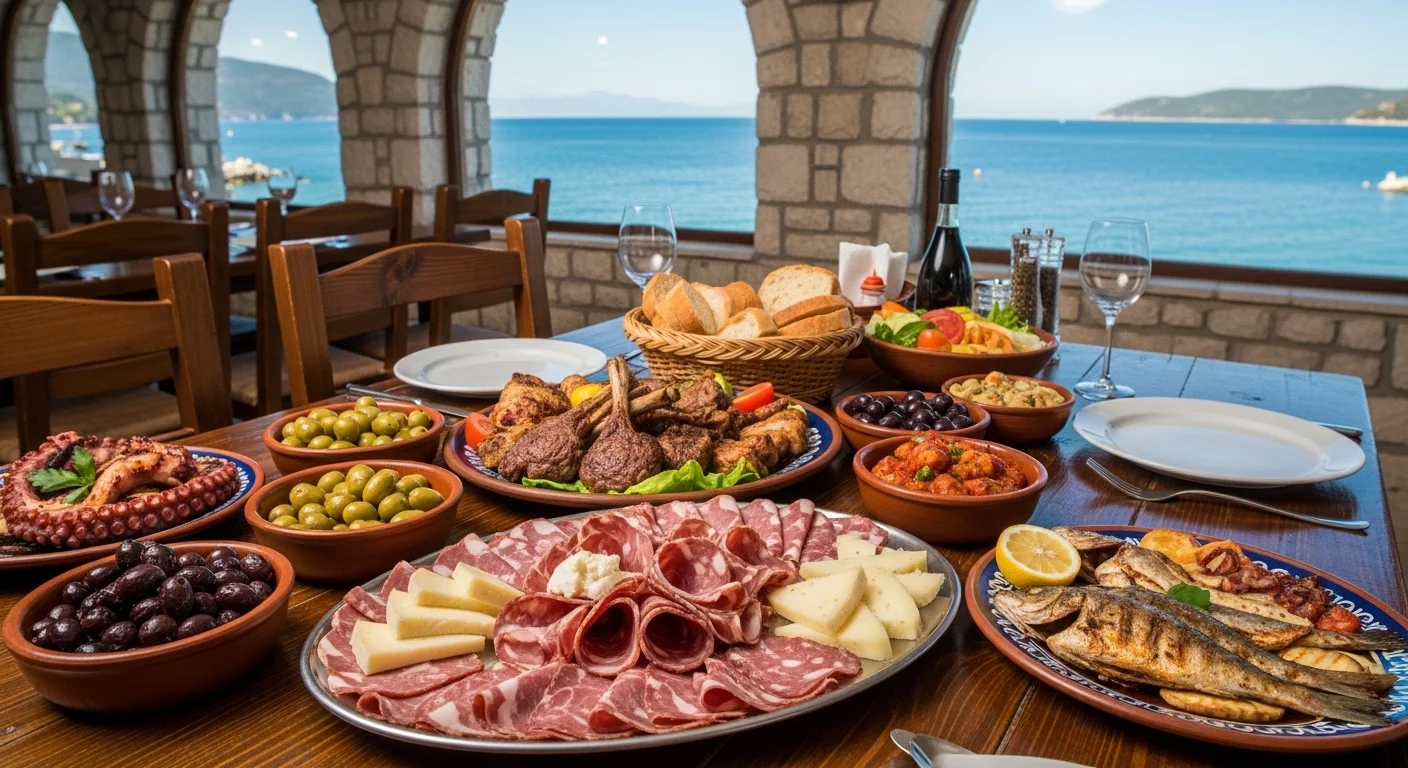
Along the Adriatic coast, seafood dominates the menu. Fresh fish, shrimp, and shellfish often appear grilled or cooked in olive oil with garlic and herbs. Coastal towns rely heavily on Mediterranean cooking styles that emphasize light and aromatic flavors.
Restaurants in coastal regions commonly serve dishes like grilled sea bass, seafood stews, and risotto. These meals highlight the abundance of the Adriatic Sea and showcase the lighter side of Montenegrin cuisine.
Balkan Traditions in Mountain Regions
In the northern mountains, the food becomes richer and more filling. People in these areas rely on livestock farming and dairy production. As a result, many traditional meals include lamb, beef, potatoes, and cornmeal. Hearty dishes such as kacamak and cicvara are popular comfort foods. These meals provide warmth and energy during colder months and represent the traditional mountain lifestyle.
Ottoman Culinary Impact
Historical connections with the Ottoman Empire also shaped local cooking traditions. Certain pastries, sweets, and grilling techniques trace their roots to this influence. Dishes like burek and sweet desserts soaked in syrup reflect this cultural exchange. Together, these influences create a diverse culinary tradition. This blend of Mediterranean freshness, Balkan heartiness, and Ottoman heritage gives montenegro food its distinctive character.
Traditional Montenegro Food You Must Try
Many visitors begin their culinary exploration by tasting the most famous dishes in the country. These recipes represent the heart of Montenegrin cuisine and often appear on restaurant menus throughout the region.
Njeguški Pršut
Njeguški pršut is a well-known cured ham produced in the village of Njeguši. The ham is air-dried and lightly smoked using traditional methods. It develops a rich flavor and delicate texture. People usually serve it with local cheese, olives, and fresh bread. This specialty often appears as a starter in many traditional restaurants.
Kačamak
Kacamak is a traditional mountain dish made with potatoes, cornmeal, and local cheese. The ingredients are mashed together and served warm with yogurt or sour milk.
The dish reflects the rural cooking traditions of northern Montenegro. Many families still prepare it using recipes passed down for generations.
Cevapi
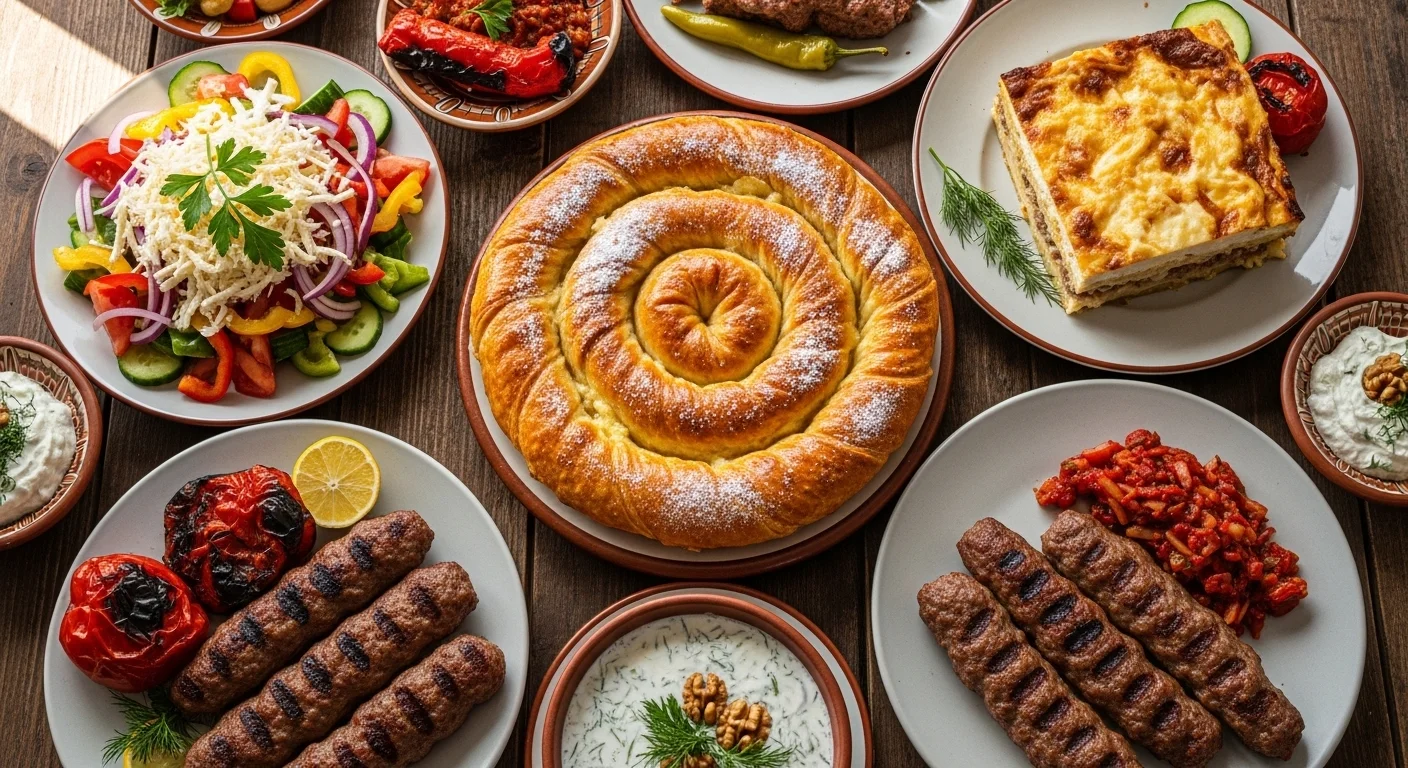
Cevapi are small grilled sausages made from minced meat. They are usually served with flatbread, onions, and a creamy dairy spread called kajmak.
This dish is popular across the Balkans and remains a favorite street meal among locals and visitors alike.
Burek
Burek is a savory pastry made with thin layers of dough filled with meat, cheese, or spinach. Bakeries prepare it fresh every morning, making it one of the most popular snacks in the country.
Travelers often discover burek while exploring local bakeries and markets.
Cicvara
Cicvara is another comforting mountain dish prepared with cornmeal, butter, and cheese. The creamy texture and rich taste make it a favorite winter meal.
It reflects the strong dairy tradition found in northern villages.
Sarma
Sarma consists of cabbage leaves stuffed with minced meat and rice. The rolls are slowly cooked in a flavorful sauce until tender. Families frequently prepare this dish during holidays and special gatherings.
Buzara Seafood Dish
Buzara is a classic seafood preparation popular along the Adriatic coast. Shrimp or shellfish cook in olive oil, garlic, herbs, and white wine. This dish highlights the coastal influence found in many seafood recipes across the country.
Stuffed Peppers
Stuffed peppers are filled with a mixture of minced meat and rice before being simmered in a tomato-based sauce. The dish is hearty and flavorful. Many locals consider it a comfort food and serve it during family meals.
Seafood Dishes in Montenegro Cuisine
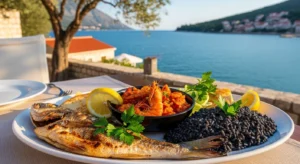
The Adriatic coast provides a steady supply of fresh seafood. Many restaurants in coastal towns specialize in seafood dishes that highlight local ingredients. Black risotto is one of the most distinctive options. It gets its dark color from squid ink and offers a rich seafood flavor. Another popular meal is grilled Adriatic fish seasoned with herbs and olive oil.
Shrimp prepared in buzara sauce is also widely enjoyed. The combination of garlic, wine, and fresh seafood creates a simple but memorable dish. These coastal recipes represent the Mediterranean side of Montenegrin cuisine and remain essential to the culinary experience.
Popular Street Food in Montenegro
Street food plays an important role in everyday life. Local bakeries, markets, and casual restaurants offer quick meals that locals enjoy throughout the day.
Burek is perhaps the most recognizable street food. People often eat it for breakfast or as a midday snack. Another favorite is priganice, small fried dough balls typically served with honey or cheese. Ustipci are similar fried snacks that appear at family gatherings and celebrations. These casual dishes make it easy for travelers to explore local flavors without visiting formal restaurants.
Traditional Montenegro Desserts
Sweet treats provide another delicious side of Montenegrin cuisine. Many desserts reflect the historical influence of neighboring cultures.
Krempita is a layered pastry filled with creamy custard. It is light, sweet, and commonly found in cafes. Tulumba is another popular dessert made from fried dough soaked in syrup.
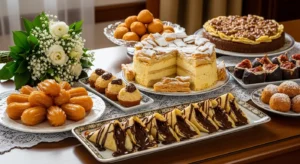
Palacinke, thin pancakes filled with chocolate, jam, or nuts, are widely loved by both locals and visitors. These desserts show that montenegro food includes not only savory dishes but also satisfying sweets.
Traditional Drinks in Montenegro
Drinks are an important part of the dining experience. One of the most famous beverages is rakija, a fruit brandy made from plums, grapes, or other fruits. It often appears during celebrations and family gatherings.
Local beer is another popular choice. Whether dining in a coastal restaurant or a mountain tavern, drinks help complete the experience of tasting Montenegro food.
Coastal vs Mountain Food in Montenegro
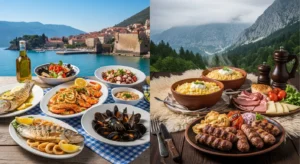
Regional diversity defines the country’s cuisine. Coastal areas focus on seafood, olive oil, and Mediterranean herbs. Meals tend to be lighter and emphasize fresh fish and vegetables. In contrast, mountain regions offer heavier dishes built around meat, dairy, and potatoes. Slow-cooked stews and grilled meats dominate the menu in these areas. This regional contrast allows travelers to experience a wide range of flavors within a relatively small country.
Montenegro Food Culture and Dining Traditions
Food plays a central role in social life. Families gather around the table to share meals and celebrate special occasions. Hospitality remains a strong cultural value, and guests often receive generous portions.
Traditional cooking methods rely on simple techniques such as grilling, roasting, and slow simmering. Recipes usually highlight natural flavors rather than complex seasoning. Dining in Montenegro therefore reflects both tradition and community. Sharing meals becomes a way to connect with local culture and experience everyday life.
Tips for Trying Local Food in Montenegro
Visitors who want to explore authentic cuisine should consider visiting local markets and family owned restaurants. These places often serve traditional Montenegrin food prepared with regional ingredients. Trying a variety of dishes is the best way to experience the country’s culinary diversity. Sampling seafood along the coast and hearty meals in mountain villages offers a complete taste of the national cuisine.
Why Montenegro’s food is unique in the Balkans
Montenegro may be small, but its cuisine reflects a remarkable combination of influences. Mediterranean seafood traditions blend with Balkan comfort food and historical Ottoman flavors. This mixture creates a culinary identity that feels both diverse and authentic. Fresh ingredients, regional recipes, and strong cultural traditions continue to shape the way people cook and eat.
For travelers and food lovers, discovering montenegro food provides a deeper understanding of the country itself. Every dish tells a story about geography, culture, and the generations who preserved these recipes.